
Is Nitinol the Same as Nickel?
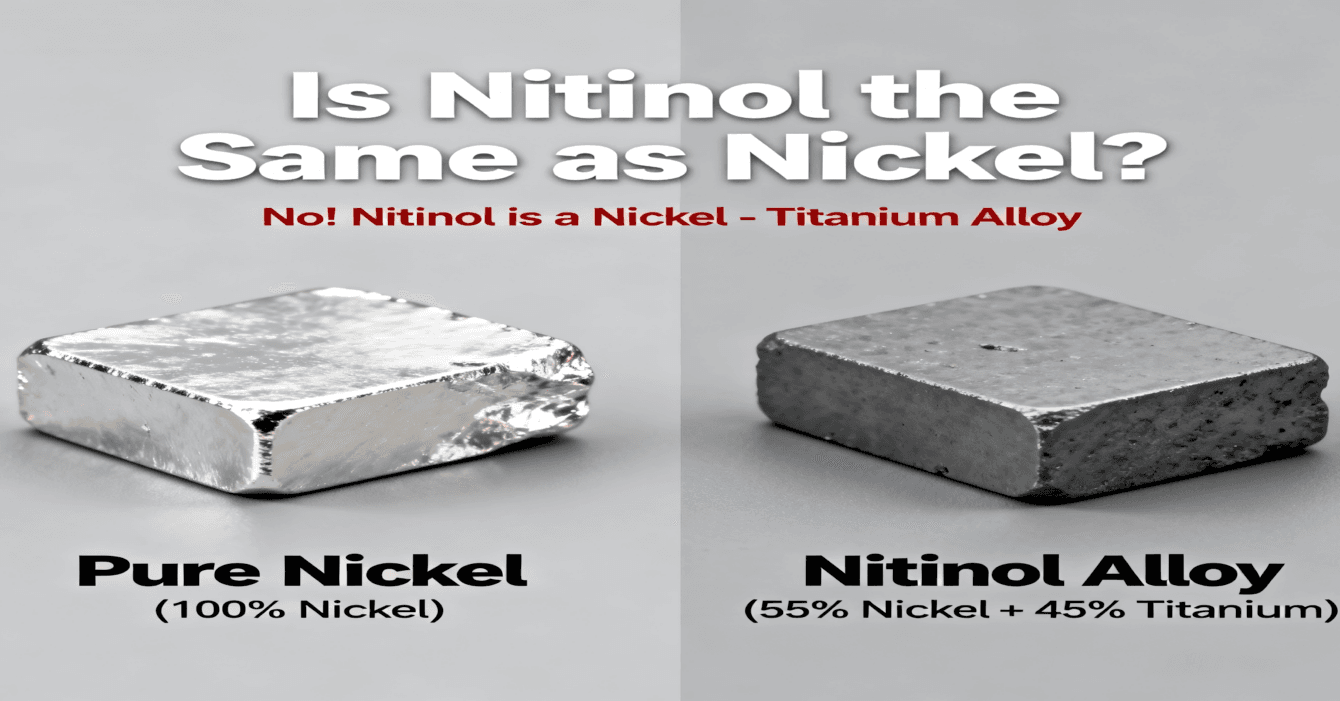
Many buyers and engineers ask one common question: Is nitinol the same as nickel? The simple answer is no. Nitinol is not pure nickel. Instead, it is a special alloy that combines nickel and titanium.
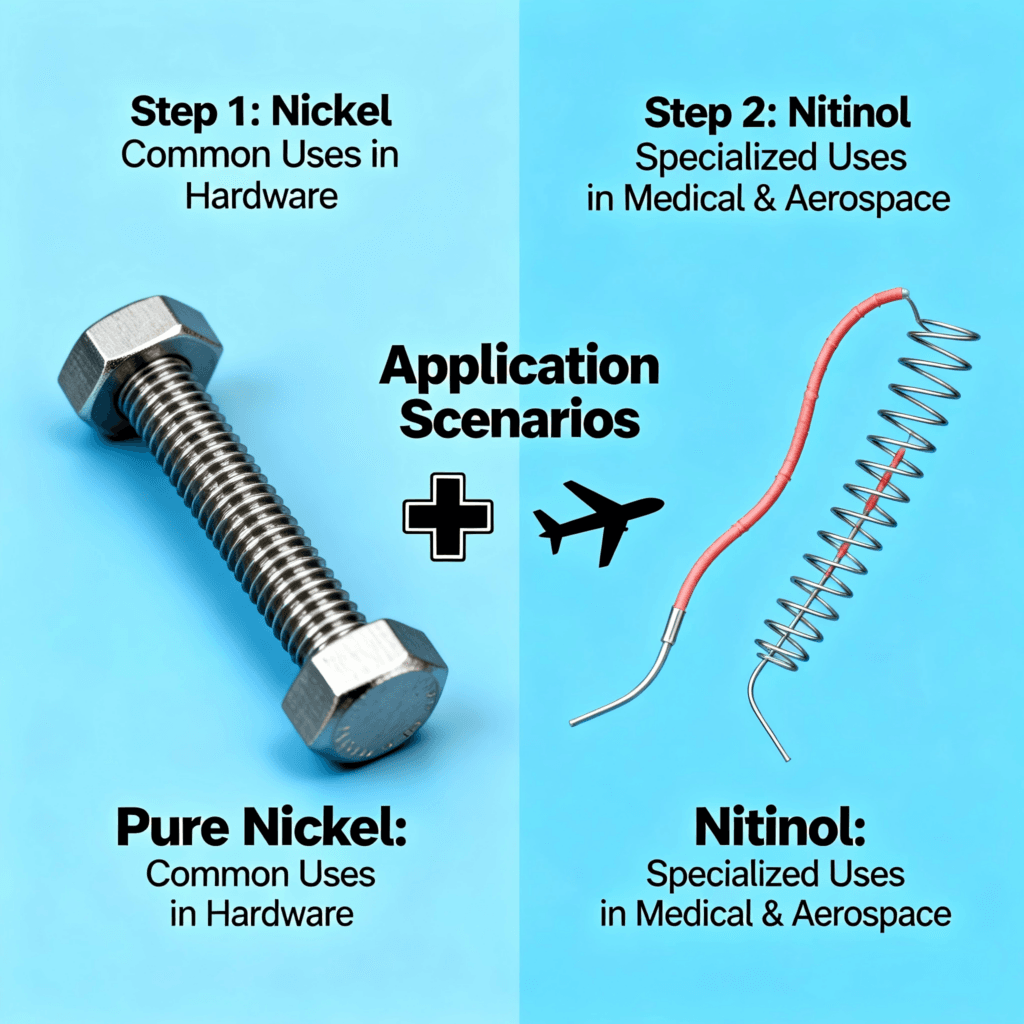
Nitinol contains about 55% nickel and 45% titanium. Because of this unique composition, nitinol shows shape memory and superelastic performance. Pure nickel does not provide these functions.
As a result, manufacturers use nitinol in medical devices, aerospace parts, robotics, and precision industrial products.
What Makes Nitinol Different From Nickel?
Nitinol Contains Titanium and Nickel
Pure nickel is a metallic element. However, nitinol is a smart alloy. Manufacturers mix nickel with titanium under strict control.
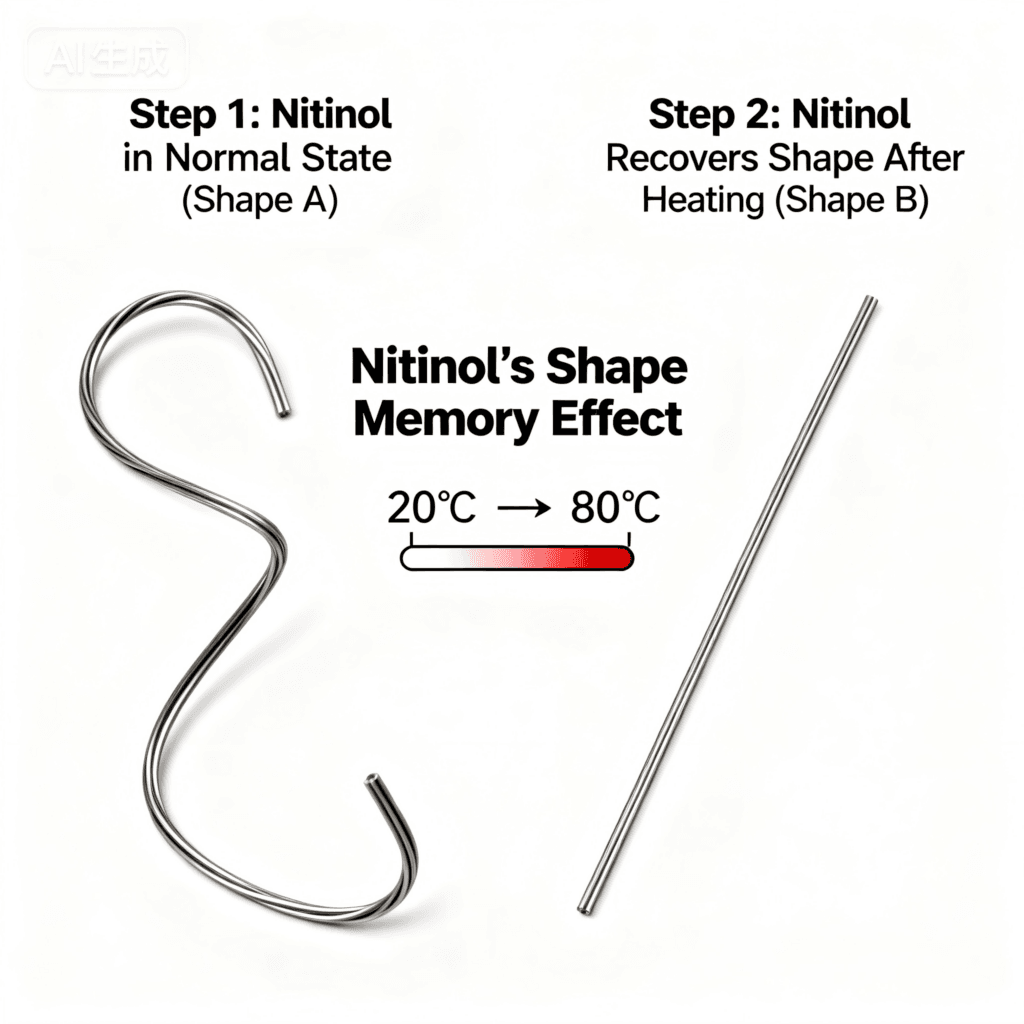
This combination creates advanced mechanical properties. Therefore, nitinol can return to its original shape after bending or heating.
Nitinol Has Shape Memory Performance
One major difference involves shape memory behavior.
After deformation, nitinol can recover its original shape when temperature changes. Nickel alone cannot do this.
Because of this feature, many companies choose nitinol for:
- Medical stents
- Guidewires
- Orthodontic wires
- Actuators
- Flexible industrial components
Why Do Medical Companies Use Nitinol Instead of Nickel?
Better Flexibility and Elasticity
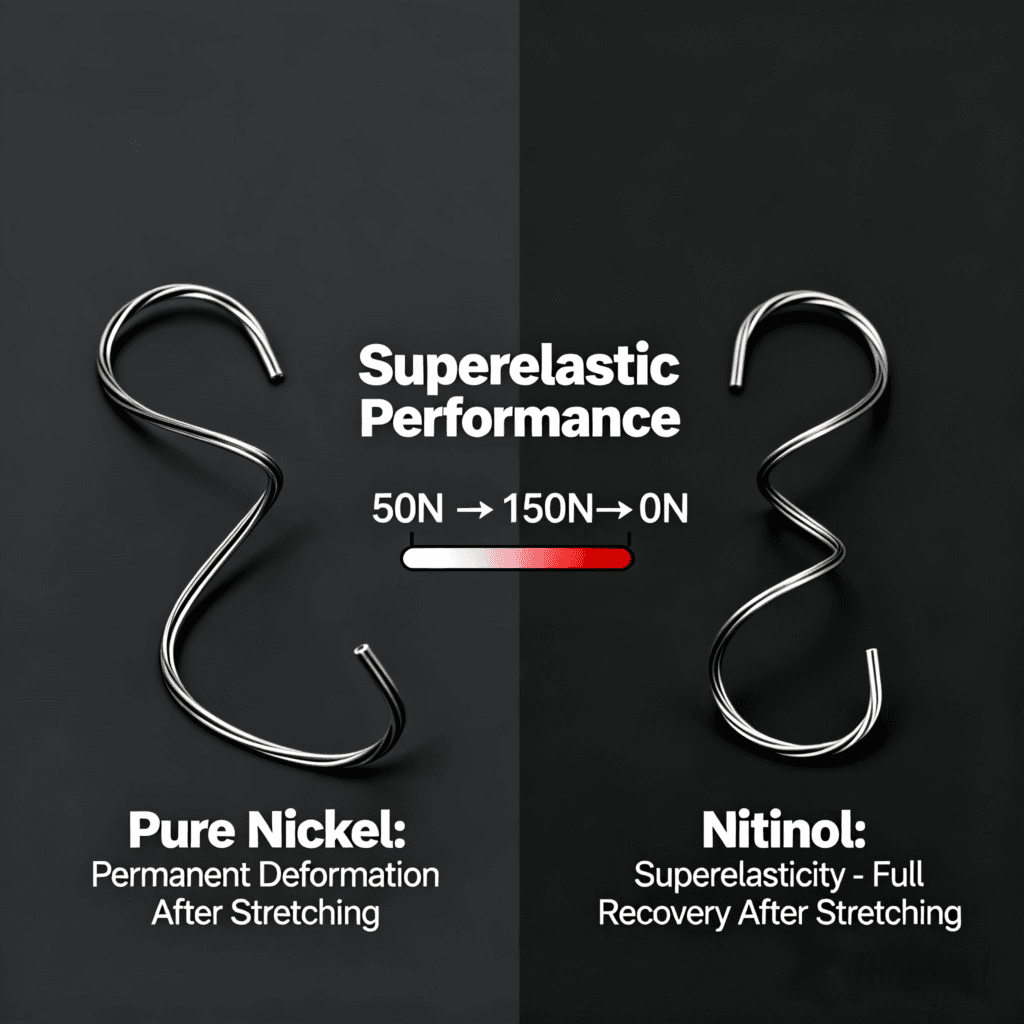
Medical manufacturers prefer nitinol because it bends easily without permanent damage. This feature improves safety inside the human body.
Corrosion Resistance
Nitinol also resists corrosion well. Therefore, it works effectively in surgical and implant applications.
Biocompatibility
Many medical companies use nitinol because it supports long-term medical use. In contrast, pure nickel may cause allergic reactions in some situations.
Is Nitinol a Nickel Alloy?
Yes. Nitinol is a nickel-titanium alloy. People also call it a shape memory alloy or smart metal.
The name “Nitinol” comes from:
- Nickel
- Titanium
- Naval Ordnance Laboratory
The material first appeared in research laboratories in the United States.
| Property | Nitinol | Pure Nickel |
|---|---|---|
| Material Type | Nickel-Titanium Alloy | Pure Metal |
| Shape Memory | Yes | No |
| Superelasticity | Yes | No |
| Corrosion Resistance | Excellent | Moderate |
| Medical Use | Very Common | Limited |
| Flexibility | High | Lower |
Applications of Nitinol Alloy
Medical Industry
Nitinol supports many minimally invasive medical devices because of its flexibility and recovery ability.
Industrial Applications
Manufacturers also use nitinol in:
- Robotics
- Automotive systems
- Aerospace components
- Precision springs
- Smart actuators
Consumer Products
Some eyewear frames and electronic products also use nitinol for durability and flexibility.